
Are there any disadvantages to using a heat treatment ice cream machine?
Nov 27, 2026
Leave a message
As someone who’s been selling heat treatment ice cream machines for a few years now, I get it—when you’re upgrading your commercial ice cream setup, the big draw is usually consistency, shelf life, and food safety. Heat treatment (aka pasteurization, but tailored for ice cream mixes) does solve a lot of headaches that come with standard machines. But like any piece of commercial equipment, it’s not all upside. Today, I want to break down the real, honest disadvantages I’ve seen firsthand with these machines, no marketing fluff, just what my customers tell me after using them for months.
First, let’s make sure we’re on the same page: a heat treatment ice cream machine isn’t just a soft serve machine that heats up a bit. It’s designed to hold mix at a specific temperature (usually 155°F to 175°F) for a set time to kill harmful bacteria, extend how long your mix stays fresh, and smooth out the flavor. I’ve had customers come in looking for regular commercial soft serve ice cream machines, and when I explain the heat treatment parts, most are sold on the benefits—until they hear the downsides.
The biggest one I hear about is upfront cost. Let’s be real: a standard soft serve machine runs anywhere from $3,000 to $6,000, right? Our heat treatment models? They’re at least 20% more expensive, sometimes way more if you’re looking at features like dual flavor or specific cooling options. I remember a small ice cream shop owner last year who was set on upgrading his old machine, but when he saw the price difference, he had to put the purchase on hold. He told me, “I’m already budgeting for mix supplies and repairs, dropping an extra grand just for heat treatment isn’t feasible right now.” And that’s not just a one-time hit—even the add-ons, like our air cooled soft serve machine that pairs with heat treatment, cost more than their standard counterparts. It’s not prohibitive for larger shops, but for tiny, family-run spots, it’s a real barrier.
Next up: longer processing time for the mix. With a regular soft serve machine, you can pour your pre-made mix straight in, turn it on, and have ice cream ready in 15 to 20 minutes. But heat treatment machines? They need to go through a heating phase, a hold phase, and then a rapid chill phase before you can dispense. That adds at least 30 to 45 minutes to your prep time. For a busy shop during peak hours, that’s a big deal. I had a customer who runs a shop at a tourist spot—weekends are insane, and they need to have mix ready to go at all times. She told me, “If I have to wait an extra 40 minutes between batches, I’m either wasting space for extra mix or missing out on sales.” It’s not that the process is hard, but it adds layers to your workflow that you have to plan for.
Then there’s maintenance complexity and cost. Heat treatment machines have extra parts—like temperature sensors, heating elements, and timer controls—that standard machines don’t. When those parts go wrong, repairs are more expensive. Last month, a client called me because her heat treatment unit’s heating element burned out; the repair cost was $450, whereas a standard soft serve machine’s cooling part would’ve been half that. Also, you have to be way more strict with cleaning. The heat process leaves behind protein and sugar residue that, if not cleaned properly, can bake onto the internal parts and cause clogs or weird flavors. I always remind customers to run a deep clean after every mix, but some new owners forget, and then they end up with a machine that doesn’t run right. It’s not that it’s impossible to maintain, but it’s a higher bar than a basic machine.
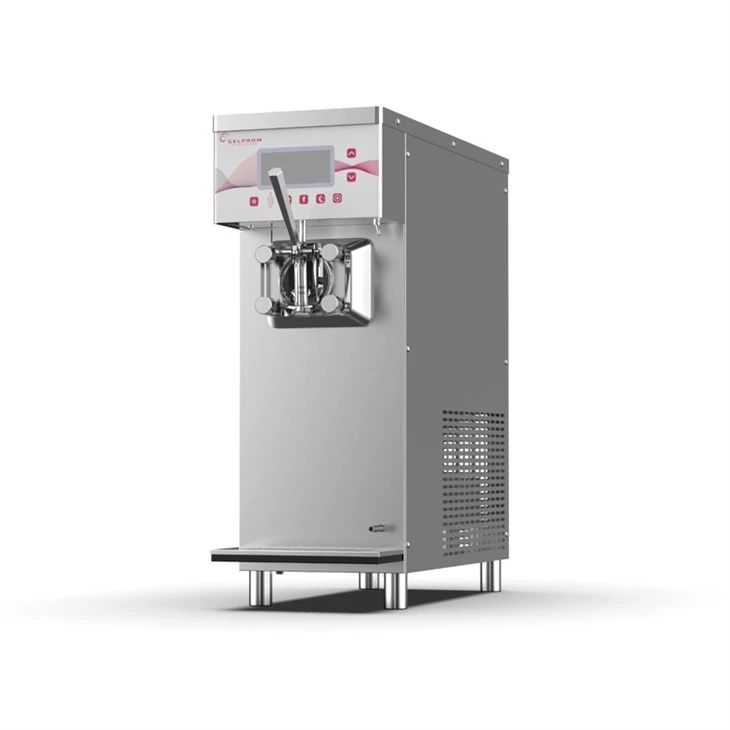
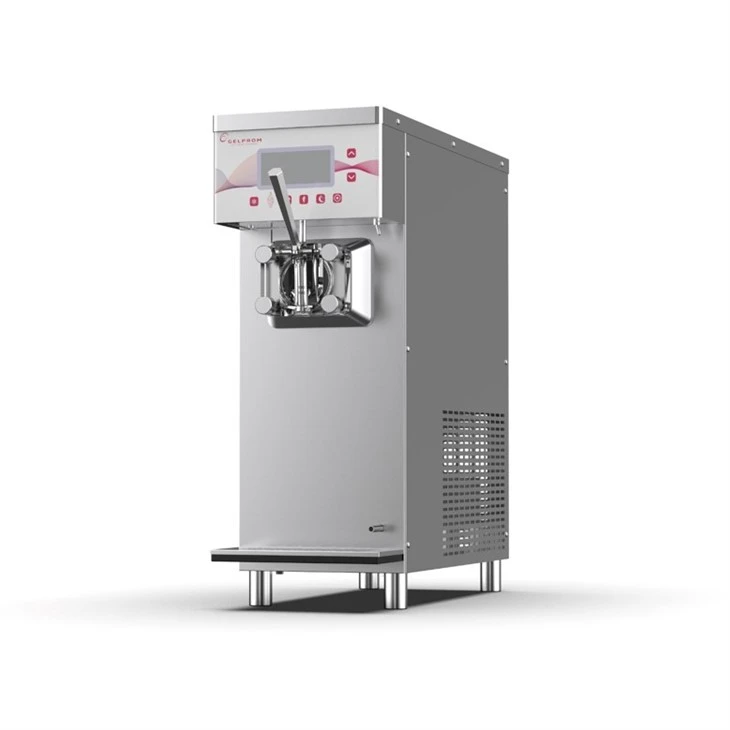
Another downside is flexibility with mix types. These machines work best with pasteurized mixes, but if you want to use a homemade or artisanal mix that’s already been pasteurized off-site, the heat treatment can sometimes overcook or alter the flavor. I had a craft ice cream maker come to me last year—she uses her own recipe with local, fresh ingredients, and when she ran it through the heat treatment machine, the vanilla flavor got a little flat, and the fruit bits lost their bright taste. She ended up switching to a self pasteurizing ice cream machine that lets her control the heat a bit more, but even then, it took tweaking to get her mixes right. If you’re someone who likes to experiment with unconventional mix flavors (like fresh mango or lavender) that don’t need extra heat, a heat treatment machine might not be the best fit for your creativity.
Oh, and energy use. Between the heating phase and the constant cooling, these machines use more electricity than standard ones. I checked a customer’s utility bill once, and her monthly electric costs went up by about $80 after she switched to a heat treatment unit. That might not sound like a lot, but over a year, that’s almost $1,000—money that could go to ingredients or marketing. For a shop with tight margins, that’s another expense to factor in.
Wait, let me make something clear: I’m not here to bash heat treatment machines. I sell them, because I know their benefits. For shops that handle a lot of mix, do a lot of to-go orders, or want to reduce food waste, the trade-offs are worth it. But a lot of people come in thinking these machines are perfect, and they don’t realize the downsides until they’re already using them. That’s why I always tell them to ask themselves: how much mix do I go through? Do I have the time for extra prep steps? Can I afford the initial cost and higher maintenance?
I also often point out that there are ways to work around some of these issues. If the upfront cost is a problem, some finance plans break it down into monthly payments that are easier on small businesses. If you’re worried about prep time, scheduling your heat treatments during off-peak hours (like early morning before the shop opens) means you don’t have to wait during busy times. And if you want flexibility, maybe look at a table top commercial ice cream machine with adjustable heat settings, or our 3 flavour ice cream machine that lets you run some flavors at lower heat if you need to.
At the end of the day, the right machine depends on your specific business. If you’re a new shop just starting out, a standard commercial soft serve ice cream machine might be more practical. If you’re an established spot that needs longer mix shelf life and fewer food safety scares, the heat treatment machine’s benefits will outweigh the downsides. But you have to go into it with your eyes open.
If you’re curious to learn more about our options, or want to chat about which machine might fit your shop best, feel free to reach out for a one-on-one consultation. We can talk through your current setup, your sales volume, and what you’re looking for in an ice cream machine. Don’t make a purchase without getting the real details from someone who’s seen both the good and the bad firsthand.
References
- Food and Agriculture Organization of the United Nations. (2021). Pasteurization of Dairy Products for Small-Scale Producers. FAO Agricultural and Food Engineering Technical Report.
- National Restaurant Association. (2022). Commercial Food Equipment Maintenance Guide. NRA Hospitality Industry Insights.
- U.S. Food and Drug Administration. (2023). Food Safety Standards for Frozen Dessert Manufacturing. FDA Center for Food Safety and Applied Nutrition.
- Ice Cream Manufacturers Association of America. (2021). Trends in Commercial Ice Cream Equipment and Operational Costs. ICMA Economic Research Report.