
Can heat treatment in ice cream machines cause equipment corrosion?
Nov 06, 2026
Leave a message
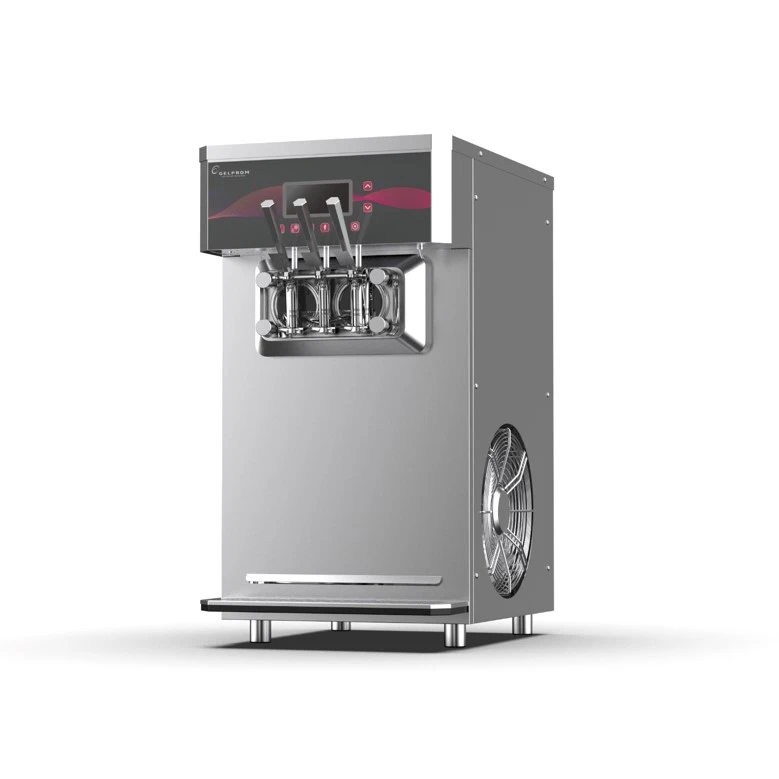
Hey everyone, it’s Jake here from the team that builds and fixes heat treatment ice cream machines—we get so many questions about this, and one that pops up nonstop is: does running heat treatment on these machines make them corrode? Let’s cut through the confusion because this stuff matters if you’re buying, using, or maintaining an ice cream machine (especially if you’re looking at the Heat Treatment Ice Cream Machine line we specialize in).
First, let’s level set—what even is heat treatment for ice cream machines, anyway? For anyone new, it’s that built-in (or sometimes add-on) cycle that uses high heat (usually 180°F to 194°F, way hotter than regular mixing or freezing) to blast away bacteria, milk solids, sugar, and gunk that builds up after every use. It’s not just a fancy extra; it’s required by health codes in most places, and it keeps your soft serve tasting good (no weird stale aftertaste) and safe for customers. We designed our Soft Serve Ice Cream Vending Machine, Industrial Soft Serve Ice Cream Machine, Air Cooled Soft Serve Machine, and Small Soft Serve Machine all with this cycle, so we’ve tested it a million times to make sure it works without breaking parts.
Now, the big question: corrosion. Corrosion happens when metal reacts with its environment—water, oxygen, acids, salt, whatever. For ice cream machines, most parts are stainless steel (304 or 316 grade, mostly) because it’s durable, resists staining, and handles food stuff. But even stainless steel isn’t invincible, right? It has a chromium layer that forms on the surface to protect it, but if that layer gets damaged, or if water sits on it long enough, rust can start to show. So does heat treatment mess with that?
Here’s the thing—it depends on how you run the cycle, what parts of the machine it’s heating, and how you maintain the machine after. Let’s break this down. First, our heat treatment cycles are engineered specifically for food-grade metal. We run the heat evenly, so it’s not like dumping a ton of super hot water on random parts. But here’s where users mess up all the time: they skip the rinse step after heat treatment. If you let hot, sugar-loaded, milk-based water sit in the tank or hoses after the cycle, that stuff dries, turns sticky, and creates a perfect breeding ground for corrosion. Sugar and milk have acids that eat away at the chromium layer over time, especially if they’re left on the metal while it’s still warm from the heat cycle. That’s a way bigger corrosion risk than the heat itself.
Another factor: hard water. If your area has water with high mineral content (calcium, magnesium, iron), when you heat that up during treatment, those minerals can build up as scale on the heating elements or the tank walls. Scale is a problem because it traps moisture against the metal, and if you don’t scrub that off regularly, it can cause pitting corrosion—small holes in the metal that get worse over time. We see this a lot with small shop owners who don’t use filtered water for their machines; they run heat treatment with tap water, and a year later, they’re complaining about rust spots.
Wait, but what about actual high heat? Does heating to 194°F damage stainless steel? From our testing (and talking to metallurgists we work with), no—stainless steel used in food equipment can handle way higher temps (like 1,500°F) without losing its protective layer. The heat cycle itself isn’t the issue. The issue is what happens before and after that cycle. Let’s say you load up the machine with mix that’s been sitting out too long, run heat treatment, then leave the machine wet. That’s a recipe for corrosion, but that’s not the machine’s fault—that’s user error.
We’ve had clients who run their heat treatment twice a day (like big ice cream shops, or industrial locations with the Industrial Soft Serve Ice Cream Machine that gets heavy use) for 3 years straight, and their machines look almost new. Why? Because they follow the simple rules: rinse the machine before running heat treatment, use filtered water for all cycles, and do a final rinse with clean water after heat treatment, then dry the parts (or let them air dry properly) instead of leaving them damp. It’s like cleaning your kitchen knives—if you leave them wet, they get rusty, but if you dry them right away, they stay good for decades.
There’s also a myth floating around that air-cooled machines are more prone to corrosion because of the heat treatment. Nope—we tested our Air Cooled Soft Serve Machine side-by-side with our water-cooled models last year. When both were maintained correctly, their corrosion rates were identical. The only difference was noise, not rust. The vending machines, too—since they don’t get taken apart as much, we built their heat treatment cycles to self-rinse a little, but even those need a quick wipe down every week to catch any leftover gunk.
What about the times we do see corrosion? It’s almost always on parts that are either not stainless steel (like plastic fittings that hold metal parts, or cheap metal brackets we never use) or parts that are exposed to excess moisture because someone skipped a step. We had a client last month who bought one of our Small Soft Serve Machine for a food truck. He was running heat treatment every night, but he would leave the door closed and the machine wrapped in a towel to keep it warm. After 8 months, he had a small rust spot on the bottom of the tank. We walked him through his routine—turns out, he wasn’t rinsing the mix out before treatment, so old mix was sitting in the tank the whole time while it cooled, trapping moisture. Fixed his routine, and now that spot hasn’t gotten worse in 6 months.
So to circle back to the original question: Can heat treatment in ice cream machines cause corrosion? The short answer is no—not if you use the machine right. The heat itself doesn’t damage the metal, but careless use (not pre-rinsing, leaving food residue, using unfiltered water, not drying after) will cause corrosion, same as it would with any kitchen appliance or metal tool. The key here is that the heat treatment is a benefit, not a risk—when done properly, it kills bacteria that cause foodborne illness, which is way more important than a little rust spot if you’re a restaurant owner.
If you’re in the market for a heat treatment ice cream machine, you’re probably looking for something that’s low-maintenance and reliable, right? We designed our whole line with this in mind—our heat treatment cycles have built-in timers that remind you to rinse before and after, and we include free water filters with every machine so you don’t have to guess about hard water. We also offer a free maintenance guide for every model, so you don’t end up like that food truck guy.
If you’re still on the fence about whether a heat treatment machine is worth it, or if you’ve had issues with corrosion on your current machine, hit us up—we’d love to chat about your needs, walk you through our products (including the Heat Treatment Ice Cream Machine, Soft Serve Ice Cream Vending Machine, and the rest of our line), and help you pick the right one for your shop, truck, or vending location. We don’t do pushy sales stuff—just straight answers about how our machines work, and how to keep them running for years without rust.

References
- Food and Drug Administration (FDA). (2022). Food Equipment Maintenance and Sanitation Guidelines for Retail Food Establishments. U.S. Department of Health and Human Services.
- American Society for Testing and Materials (ASTM). (2019). Standard Guide for Stainless Steel Selection for Food Processing Equipment. ASTM International.
- National Sanitation Foundation (NSF). (2021). Sanitation Requirements for Commercial Food Equipment, Section 4: Heat Treatment Cycles. NSF International.
- Corrosion Doctors. (2020). Stainless Steel Corrosion: Causes and Prevention for Food-Grade Applications. Corrosion Technologies, Inc.