
How to prevent contamination during heat treatment in ice cream equipment?
Nov 13, 2026
Leave a message
If you’ve ever served a smooth, creamy soft-serve cone only to have a customer mention a weird aftertaste or, worse, a food safety concern, you know how critical heat treatment is to ice cream production. As a supplier of ice cream equipment, I’ve spent years working with small cafes, chain restaurants, and industrial manufacturers to troubleshoot exactly where contamination happens during the heat treatment process—and how to prevent it. The truth is, heat treatment (often pasteurization) is non-negotiable for killing harmful bacteria like Salmonella, Listeria, and E. coli in ice cream mixes, but even the most efficient machine can become a contamination source if not handled right. Whether you own a small shop running a table top commercial ice cream machine or an industrial facility pumping out gallons of mix an hour, these science-backed steps will keep your product safe and consistent.
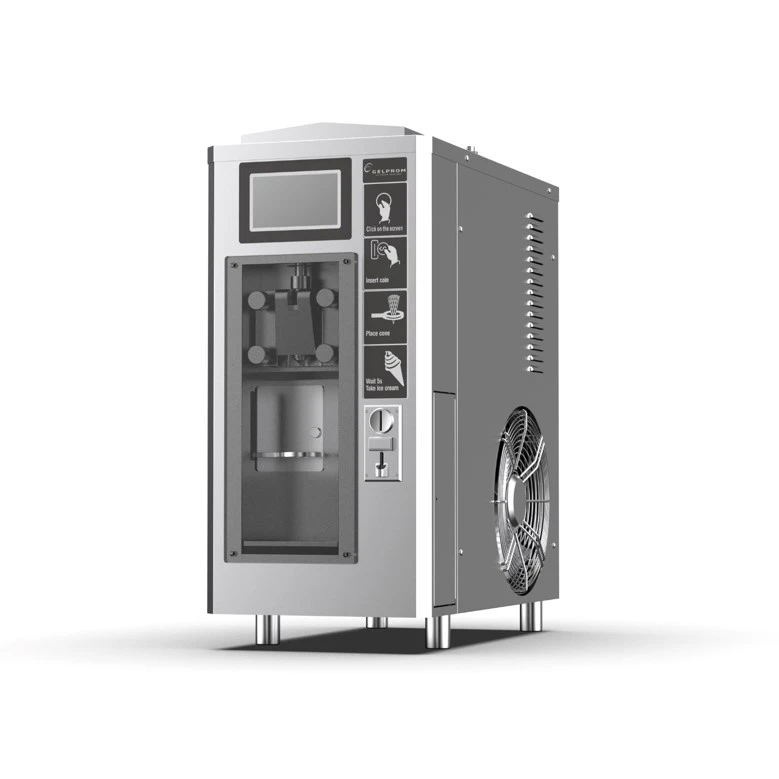
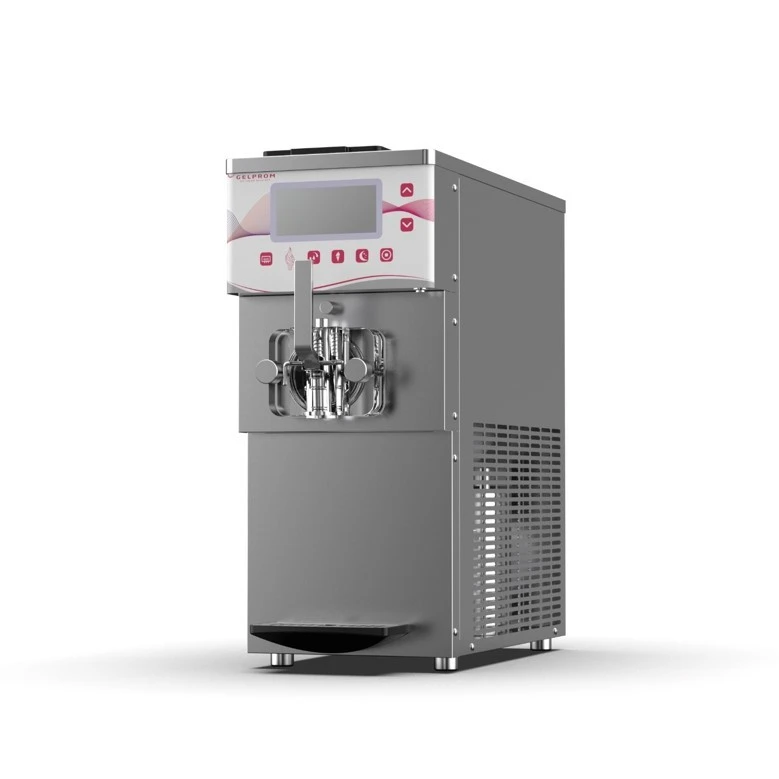
First, let’s get clear on what heat treatment in ice cream actually does. Unlike home ice cream, commercial mixes require precise temperature and time combinations to eliminate pathogens. The FDA’s Food Code mandates that ice cream mix be held at a minimum of 155°F (68°C) for 17 seconds, or 175°F (79°C) for 25 seconds, depending on your setup. But here’s the catch: contamination doesn’t only come from insufficient heat—it sneaks in before, during, and after that heating step. I’ve seen new operators focus only on the pasteurization timer and skip pre-heat checks, which leads to hidden issues that ruin batches.
One of the biggest pre-heat contamination risks is the mix itself. If your raw ingredients aren’t handled properly before they enter the heat treatment chamber, bacteria multiply fast. Raw dairy, which is common in many artisanal ice cream recipes, is a prime source. Even pasteurized dairy can become contaminated if stored at temperatures above 40°F (4°C) for more than two hours. I always advise clients to test incoming dairy for bacterial counts before processing, especially if you’re using a self pasteurizing ice cream machine that relies on the mix being consistent to maintain heat accuracy. Another often-overlooked pre-heat step is filtering mix ingredients. Small particles of flour, sugar residue, or even undissolved milk powder can create micro pockets where bacteria hide, and those particles can also insulate them from heat—meaning they survive the pasteurization step. I recommend using a 100-mesh filter for all dry ingredients and straining liquid mix through a fine-mesh sieve before it enters the machine, regardless of whether you’re running a single flavor soft serve ice cream machine or a larger industrial model.
Next, the most critical part: keeping the heat treatment chamber clean during operation. I can’t tell you how many times I’ve inspected a machine to find caked-on mix residue on the chamber walls. When mix is left to dry on surfaces, it forms a tough biofilm—a sticky layer of bacteria that’s nearly impossible to remove with a quick wipe. Biofilms are a major contributor to post-heat treatment contamination because even if you run a full pasteurization cycle, the bacteria inside the film aren’t exposed to the high heat long enough to die. For this reason, I mandate that all clients perform a “hold time clean” after every batch. That means, as soon as the final mix is dispensed, run a flush cycle with warm water (around 120°F/49°C) and a food-grade sanitizer through the heat treatment chamber, then scrub any visible residue with a soft-bristle brush. For heavy buildup, use a mild alkaline cleaner designed for dairy equipment—harsh chemicals can damage the machine’s heating elements and leave residue that makes future buildup worse. If you own a countertop soft serve ice cream machine, which has a smaller, more compact chamber, you might think cleaning is faster, but it’s actually easier to miss crevices where mix can get trapped. I recommend disassembling all removable parts (like the inlet valve and strainer basket) daily and soaking them in sanitizer for at least 10 minutes.
Another common mistake is improper temperature calibration during heat treatment. Even a 5°F drop in chamber temperature can mean the difference between killing bacteria and letting them survive. I’ve seen operators use the machine’s built-in temperature display and never verify it with a separate digital thermometer. Calibration should be done at least once a month, or if you notice inconsistent texture (like lumpy mix) or off-flavors. For machines with multiple heating zones, like industrial soft serve ice cream machines used for large batches, each zone needs to be calibrated individually—different sections of the chamber can heat unevenly, leading to some mix being underprocessed. I always tell clients to take temperature readings at three points: the inlet, the center, and the outlet of the heat treatment chamber. If any reading is below the required threshold, adjust the heating setting and run a test batch with a small amount of mix, then retest to ensure accuracy. Also, never overload the chamber. Running more mix than the machine is designed for reduces flow rate, so some mix stays in the heat zone too briefly—too short to kill pathogens, too long can cause over-cooking that ruins flavor. Whether you’re using a table top commercial ice cream machine for small batches or an industrial model for bulk production, stick to the manufacturer’s recommended fill capacity.
Post-heat treatment steps are just as important as the heating itself. Once mix is pasteurized, it’s vulnerable to recontamination from dirty storage tanks or transport lines. I’ve had a client who kept their pasteurized mix in a stainless steel tank that hadn’t been sanitized properly, and within 24 hours, 30% of their batches had high E. coli counts. The key here is “cold chain management” — pasteurized mix must be cooled to 40°F (4°C) within 90 minutes of heat treatment, and stored at that temperature until use. Never leave mix sitting at room temperature for more than two hours. For small shops, this might mean using a chill wand to cool mix quickly after it exits the machine, while larger facilities use a plate cooler that rapidly reduces temperature as mix flows into storage. All storage containers and lines that carry pasteurized mix must be sanitized before every use. Even a small amount of leftover mix in a line can multiply quickly when mixed with fresh pasteurized product. I recommend implementing a “first-in, first-out” (FIFO) system for stored mix, so older batches are used before newer ones—this reduces the chance of mix sitting in storage too long.
Also, don’t overlook cross-contamination from other ingredients. If you add toppings like nuts, fruit, or cookie pieces to your soft serve, those ingredients need to be handled separately. Raw toppings can introduce bacteria that survive even the ice cream’s low storage temperature. For example, if you’re adding fresh strawberries to mix, make sure they’re washed, sanitized, and dried before adding them to the machine—never use unprocessed fruit directly. For dry toppings like nuts or sprinkles, store them in sealed containers to prevent dust and dirt from getting in, and avoid handling them with bare hands. Even the utensils you use to add toppings can be a contamination source—they should be washed and sanitized after every use, and stored in a clean, dry area.
As someone who’s worked with ice cream equipment for over a decade, I’ve seen first-hand how small changes in heat treatment practices can make a huge difference in product safety. The biggest takeaway is that contamination prevention isn’t a one-time task—it’s a consistent, step-by-step process that starts with incoming ingredients, follows through during heating, and doesn’t stop until the mix is dispensed into a cone. Whether you’re just starting out with a compact table top commercial ice cream machine or running a large operation with an industrial system, the right habits will keep your customers safe and your business running smoothly. If you’re looking to upgrade your current equipment to make these heat treatment steps easier, or need personalized advice on optimizing your current process, our team can help you find the right solution for your needs. Get in touch to discuss how we can support your ice cream production goals and keep your products safe for every customer.
References:
- U.S. Food and Drug Administration. (2022). Food Code: Pasteurization and Heat Processing Requirements. U.S. Department of Health and Human Services.
- International Dairy Foods Association. (2021). Recommended Sanitation Practices for Ice Cream and Frozen Dessert Plants. IDFA.
- National Sanitation Foundation. (2020). Food Equipment Standard 2: Sanitation. NSF International.
- FDA Center for Food Safety and Applied Nutrition. (2019). Listeria Contamination in Ready-to-Eat Foods: Prevention Strategies. FDA.